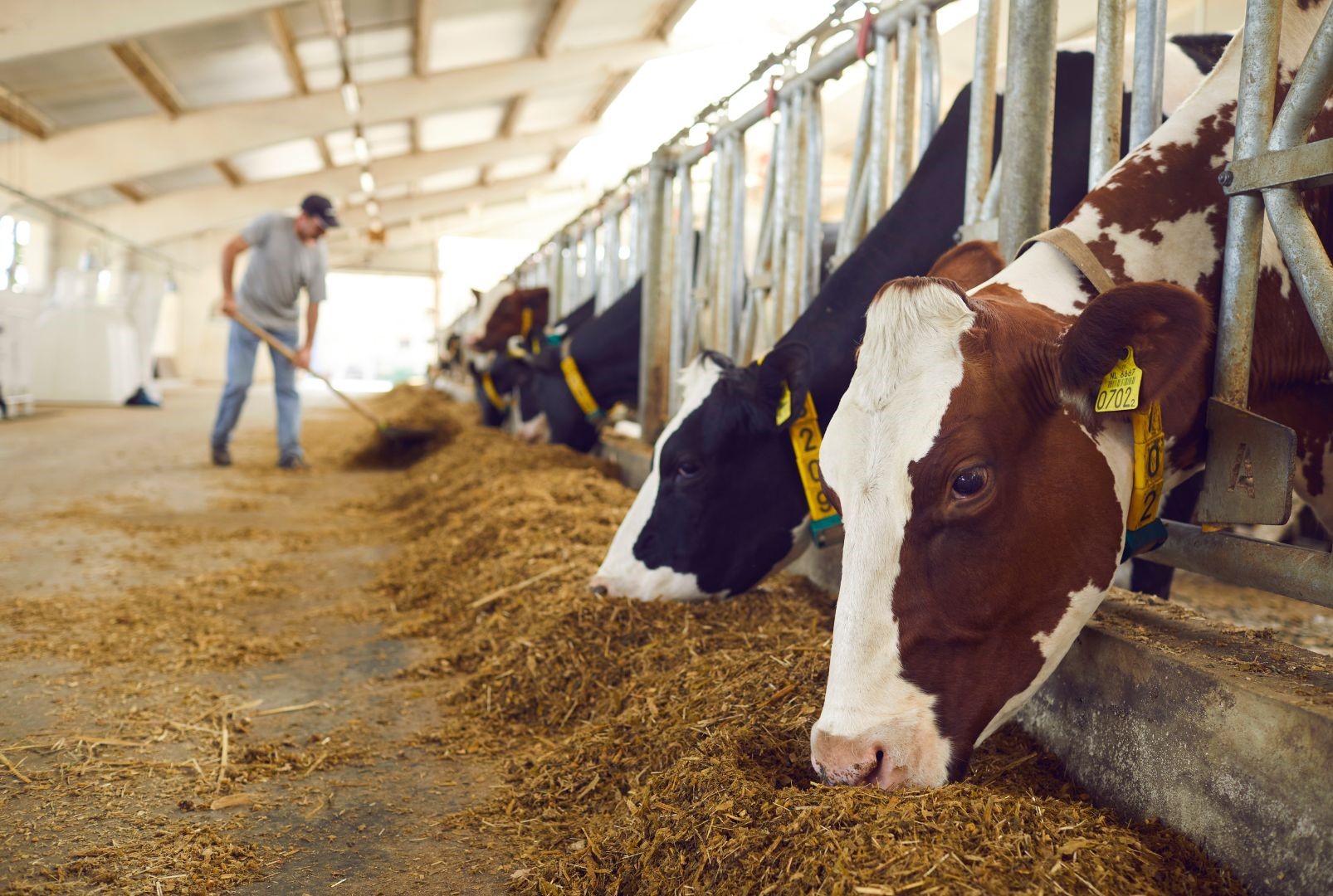
🐄 Animal Husbandry: Importance, Types, and Benefits
🌾 Introduction
Animal Husbandry is the branch of agriculture that deals with the care, breeding, and management of domestic animals for obtaining useful products like milk, meat, wool, eggs, leather, and manure. It plays a crucial role in rural economies, providing livelihood to millions of farmers worldwide. Animal husbandry not only supports food production but also contributes to soil fertility, transportation, and agricultural operations.
🧬 Definition
Animal Husbandry is defined as the scientific management of farm animals for obtaining maximum benefits through proper feeding, breeding, shelter, and healthcare. It involves raising animals such as cattle, buffaloes, goats, sheep, pigs, poultry, and fish to meet human needs.
🐂 Objectives of Animal Husbandry
- To increase the production of milk, meat, wool, and eggs.
- To improve animal breeds through scientific breeding methods.
- To provide better nutrition and healthcare for animals.
- To generate additional income for farmers.
- To make agriculture sustainable by using animal manure as fertilizer.
🐄 Major Types of Animal Husbandry
1. Dairy Farming
Focuses on milk production. Animals: Cows & buffaloes. Practices: regular milking, feeding, vaccination. Breeds: Gir, Sahiwal, Holstein Friesian, Jersey.
2. Poultry Farming
Rearing birds for eggs and meat. Requires temperature control and disease management. Breeds: White Leghorn, Rhode Island Red, Aseel.
3. Sheep & Goat Rearing
For wool, meat and skin. Goats also for milk in dry regions. Sheep breeds: Merino, Rambouillet, Nali. Goat breeds: Jamunapari, Barbari, Black Bengal.
4. Pig Farming
Reared for pork and leather. Low investment and fast growth. Breeds: Large White Yorkshire, Landrace, Ghungroo.
5. Fisheries (Fish Farming)
Rearing fish in ponds/tanks. Inland: Rohu, Catla, Mrigal. Marine: Tuna, Pomfret, Mackerel.
6. Bee Keeping (Apiculture)
Raising bees for honey, wax, and pollination. Species: Apis dorsata, Apis indica, Apis mellifera.
🌱 Scientific Practices in Animal Husbandry
- Proper Feeding: Balanced fodder, grains and supplements.
- Breeding Techniques: Natural breeding and artificial insemination for desired traits.
- Housing: Clean, ventilated and safe shelters.
- Healthcare: Vaccination, deworming and veterinary check-ups.
- Hygiene Management: Clean water, waste removal and disease prevention.
💡 Importance of Animal Husbandry
- Source of Food: Milk, eggs and meat rich in proteins.
- Employment: Income for rural families and women.
- Agricultural Support: Oxen for ploughing & transport.
- Organic Manure: Dung for fertilizer and biogas.
- Economic Growth: Significant contribution to GDP.
- Sustainable Farming: Integration of crops & livestock.
⚙️ Modern Technologies in Animal Husbandry
Technologies improving productivity and welfare:
- Artificial insemination & embryo transfer.
- Vaccines, antibiotics & veterinary advances.
- Automated milking machines & feed systems.
- Genetic improvements and climate-controlled sheds.
- IoT & data monitoring for health and productivity.
🌍 Challenges in Animal Husbandry
- Lack of veterinary services in rural areas.
- Poor quality feed and fodder.
- Poor management and hygiene.
- Outbreaks of contagious diseases.
- Climate change impacts on productivity.
🌾 Government Schemes Supporting Animal Husbandry (India)
- Rashtriya Gokul Mission: Improve indigenous cattle breeds.
- National Livestock Mission: Feed, fodder and disease control.
- Dairy Entrepreneurship Development Scheme (DEDS): Promote dairy business.
- Blue Revolution: Fisheries development.
- Pashu Dhan Scheme: Support small farmers in animal rearing.
🧭 Conclusion
Animal Husbandry is the backbone of rural development and sustainable agriculture. It ensures food security, provides employment, and supports the national economy. By adopting modern techniques, proper care and scientific management, farmers can increase animal productivity and contribute to a more prosperous and self-reliant agricultural system.